

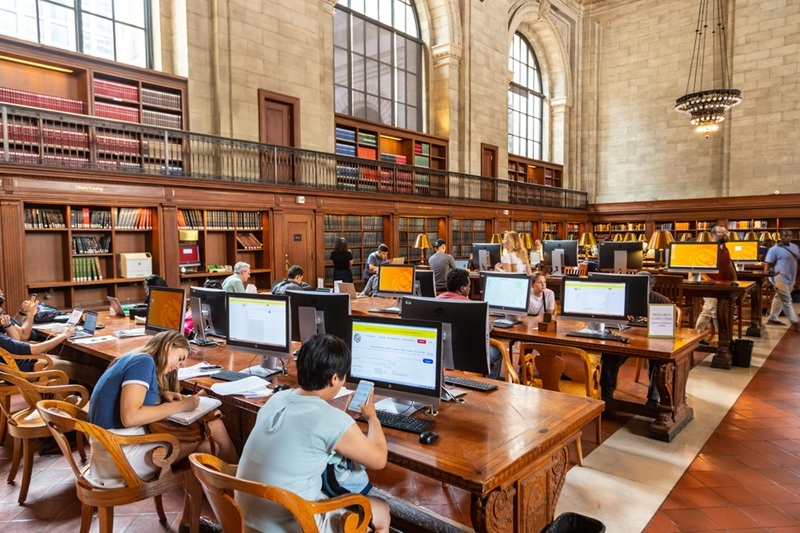
Libraries are really important for learning and sharing knowledge. Lately, people have been debating whether digital or physical libraries are better. Physical libraries are great because you can actually touch the books, and it feels more real. On the other hand, digital libraries are very convenient because you can get to them right away.
It is useful to know the differences between libraries and physical libraries. This helps people, schools, and governments make choices. This guide will look at libraries and physical libraries and compare them. We will talk about how much they cost, how easy they are to use, and if they are worth it in the long run. We will explore the benefits of libraries and the advantages of physical libraries.
Digital libraries are websites that host books and related content. You can look at these things on your computer or your phone. Digital libraries are really good because you can use them anytime you want.
Physical libraries are different. They are places where you can go to read books and other things. These libraries have areas where you can sit and read. They also have lots of books and other things that you can look at. So, digital libraries and physical libraries are similar because they both help people learn. They are different because digital libraries are on computers, while physical libraries are actual places.
Read More: Must-Read Books on Artificial Intelligence That Matter
Digital libraries have changed how people get information. They have some benefits. These benefits make digital libraries super helpful for students, researchers, and learners who are far away:
For people, libraries are a great place to learn because they are quiet and help you focus. Even though we have platforms now, libraries still have some really good things to offer, such as
When deciding between traditional libraries, you need to consider the costs. Digital libraries can save you money in the long run. On the other hand, traditional libraries need money all the time for space and upkeep. Here is a simple comparison:
Factor | Digital Libraries | Physical Libraries |
| Initial Setup | High (technology and software) | High (infrastructure and space) |
| Maintenance Cost | Lower over time | Ongoing operational expenses |
| Scalability | Easy and cost-efficient | Limited by physical space |
| Resource Updates | Quick and affordable | Slower and more expensive |
| Accessibility Cost | Requires internet/device | Free access onsite |
The difference between a library and a traditional library is really about what people need. Digital libraries are all about being easy to use and fast. You can get to many things without having to go anywhere. This is great for people who learn from afar and for people who work together from different places. It is often observed in surveys that digital libraries are replacing traditional libraries.
Traditional libraries are more about how it feels to be in the space around you. They have areas for reading, studying, and talking with others, which digital libraries just cannot do. So it really comes down to what each person likes, what they want to do, and what they have available to them. Digital libraries are still really useful. Traditional libraries have their own good points too. The choice between a library and a traditional library is important because it affects how people learn and work together.
The impact of libraries on education and information access has been huge. They have made knowledge available to everyone, no matter where they live. Students in off areas can now get the same resources as those in big cities. Digital libraries help people keep learning throughout their lives. They provide access to educational content. This way, professionals can improve their skills without attending a school.
However, moving to platforms has some downsides. There are worries about people getting tired from looking at screens too much. The digital divide and social interaction are also concerns.
Many institutions are using an approach instead of picking one or the other. This means they are combining access and physical spaces. Users get the best of both worlds with this method.
Libraries can give people resources so they can use them easily. At the time, libraries can keep physical spaces where people can meet and study quietly.
This way, everyone is included, and libraries can make the most of their resources. Libraries are really good at doing this. They can have access to physical spaces simultaneously.
The discussion about libraries and physical libraries shows how people get to information is changing. Digital libraries are easy to use. Can be accessed by a lot of people all over the world. On the other hand, physical libraries give people a special experience where they can really get into what they are reading and be with other people who like to read too.
People need to think about what digital libraries can do for them, what physical libraries can do for them, and how much each one costs. This helps people and schools make choices. In the end, both digital and physical libraries are very important for people learning today. Using libraries, both physical and digital, is the best way to do things in the future because they work well together.
Essential Reads: Library Tech Innovation 2026: AI and ML Reshaping Systems
Digital libraries provide instant access, global reach, and cost-efficient scalability. They are ideal for remote learning and quick information retrieval.
Yes, physical libraries remain important for community engagement, focused study environments, and access to rare materials not available online.
Digital libraries are generally more cost-effective in the long run due to lower maintenance and easy scalability, while physical libraries require ongoing operational expenses.
This content was created by AI