


Most students burn hours staring at highlighted textbook pages, completely convinced the information is sinking in. Passing an eye over the exact same paragraph five times creates a massive illusion of competence. The brain recognizes the words on the page, tricking the student into believing they actually memorized the core concept. Hitting a blank exam paper destroys that false confidence instantly. Knowing how to actually force the brain to store data separates the people who ace finals from the ones who barely scrape by. Navigating the brutal academic landscape requires ditching passive habits and forcing the mind to do heavy lifting before the actual test begins.
Must Read: AI Study Tools Students Need for Faster Learning in 2026
Matching these two tactics against each other exposes massive physiological differences in how the brain handles raw data. The entire contrast comes down to passive recognition versus actual cognitive extraction.
| Feature | Endless Textbook Scanning | Retrieval Practice |
| Mental Effort | Extremely low. The brain coasts along without resistance. | High friction. Forces the mind to dig for hidden answers. |
| Illusion of Knowing | Massive. Basic familiarity gets mistaken for actual mastery. | Zero. You either know the raw answer without looking or you fail. |
| Time Efficiency | Burns massive hours with terrible, single-digit retention rates. | Short, painful bursts of studying that lock in permanent memory. |
| Exam Performance | Usually results in completely blanking out on difficult questions. | Allows rapid data retrieval under heavy testing time pressure. |
| Cognitive Load | Light. Easy to execute while watching television in the background. | Heavy. Requires total silence and a focused room to execute properly. |
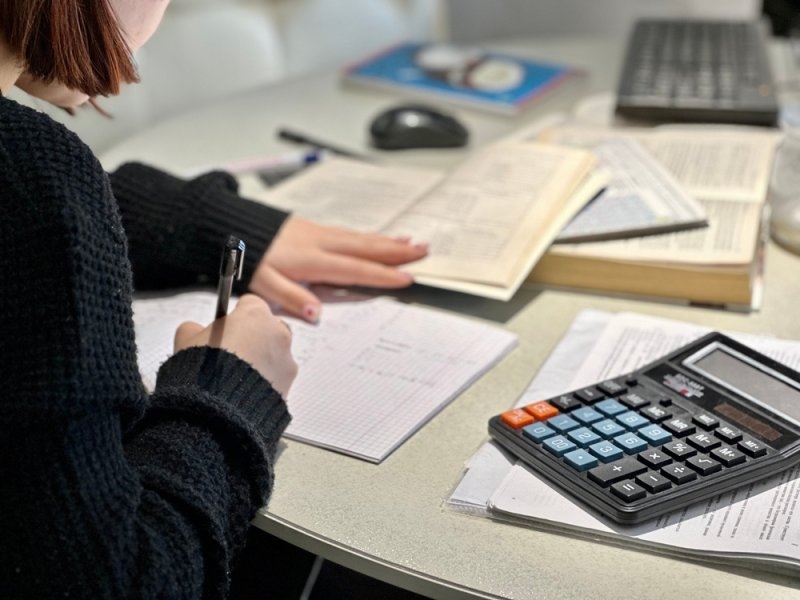
Professors rarely hand out simple multiple-choice definition quizzes anymore. Getting through a heavy semester requires habits that actually cement the material in the brain rather than just renting it for a few hours.
Reviewing a fact right before you naturally forget it builds ironclad retention. Flashcard applications calculate these exact mathematical decay intervals, forcing you to review difficult concepts daily while pushing the easy topics weeks into the future.
Pretending to teach a complex biological process to a complete beginner exposes massive knowledge gaps instantly. If a student cannot explain a hard concept using plain, simple English, they do not actually understand the material yet.
Taking an empty notebook page and trying to scribble out an entire chapter from memory is a brutal reality check. It instantly highlights the exact dates, names, or formulas the brain completely dropped.
Doing fifty identical math problems in a row shuts the brain down. Mixing different types of equations into a single study block forces the mind to constantly figure out which specific formula applies to the current problem.
Sitting at a desk with a running timer and a blank practice test forces a student to handle actual pressure. It stops people from completely freezing up when they have to recall tough formulas with only ten minutes left in the period.
Top Pick: How Can an Exam Study Timetable Boost Your Scores?
Copying a top-performing classmate does not guarantee success because every single brain processes raw data differently. Finding the right system requires running actual, measured experiments on yourself.
Read a chapter using a standard method, then take a blind quiz on that material two days later. If the score tanks, that specific tactic completely failed to move the information into long-term storage and should get scrapped.
Aggressive study methods for exams burn heavy mental energy fast. A tactic that completely exhausts a student after twenty minutes is useless for a five-hour weekend cram session before finals week.
Some subjects demand visual mapping, while others require aggressive flashcard drilling. Forcing a heavy foreign vocabulary list into a mind map rarely works, just like using flashcards for complex architectural diagrams usually fails completely.
If creating perfectly color-coded study guides takes three hours but only leaves thirty minutes for actual memorization, the system is fundamentally broken. The preparation phase should never consume more time than the actual execution phase.
Ditching the highlighter requires replacing it with aggressive extraction habits. These setups force the mind to work much harder during daily study blocks.
Staring at a blank whiteboard forces total recall. Writing out complex chemical structures or historical timelines without looking at any notes exposes exactly what is missing from the brain.
Writing actual test questions during the initial reading phase creates a massive study asset. Answering those specific questions three days later tests real retention instead of just temporary familiarity with the textbook font.
Reading a single page, closing the textbook completely, and verbally explaining the core concept forces the brain to process the logic. If the verbal explanation stumbles at any point, the student must read the page again.
Acing a major test rarely comes down to raw, natural intelligence. It relies entirely on how a student physically forces their brain to store and retrieve data under heavy pressure. Trusting passive habits like scanning highlighted notes just sets a person up for a massive panic attack when they finally see the actual test questions. Evaluating the active recall vs rereading debate proves that cognitive friction builds actual, permanent memory.
Passive listening acts exactly like scanning a textbook. Having a professor's voice playing in the background while driving or cleaning the house might build slight familiarity, but it completely fails to force the cognitive extraction required to pass a hard test.
Cramming pushes massive amounts of raw data strictly into short-term memory, which might help a student survive a test the very next morning. However, that data completely evaporates within forty-eight hours, ruining any chance of retaining that knowledge for a comprehensive final exam months later.
The brain usually hits a hard physiological wall after forty-five to fifty minutes of intense extraction work. Pushing past that limit just burns mental energy without actually storing new facts.
Handwriting forces the brain to summarize and condense information because physical writing is much slower than typing. Laptop users tend to just transcribe the professor verbatim without actually processing what the words mean, leading to terrible retention rates when reviewing the material later.
The brain physically moves facts from short-term to long-term storage during deep sleep cycles. Pulling an all-nighter to drill flashcards completely destroys this biological transfer process, meaning most of the facts memorized at three in the morning will vanish by the time the test starts.
This content was created by AI