

Students know the feeling—time seems to vanish before you even notice. One assignment leads to five more, exams stack up, and your phone is always there with something else to do. It’s not just about working harder; it’s really about working with a little structure. But when students grab at random routines and bail as soon as things feel off, it just gets messy. You can’t chase time—it needs a bit of handling. Small, steady tweaks make a huge difference if you stick with them. This blog lays out real, practical advice: ways to keep your focus sharp, manage the workload, and ditch that constant guilt of falling behind.
Forget about rigid discipline and those impossible routines. Good time management comes from knowing where your time goes, spotting the places where it leaks away, and making gradual improvements. Tiny changes to your day-to-day habits start paying off if you’re steady.
Most students write up monster to-do lists that seem productive but never get finished. Try a short, specific list instead. Nail down exactly what you need to do, task by task.
Leave space between tasks for the inevitable hiccups or delays. When your plan’s realistic, you’ll feel less pressure and actually finish more.
Big assignments are intimidating—they make you want to procrastinate or avoid them altogether. Slice them up. Maybe break a chapter into chunks or split an assignment into phases.
Suddenly, things feel manageable, and you can get started. These bits help you keep moving, cut down the stress, and let you track your progress.
Marathon study sessions don’t really help, and your focus just drains away. Instead, try studying in 25 or 30-minute blocks, then take a quick break. You’ll keep your brain fresh and avoid burning out.
Over time, this routine builds real concentration and steady energy, so you’re more productive without feeling fried.
Must Read: Enhance Study Skills Using Gamified Apps for Exam Success
Your time management has to fit your real life—classes, commuting, random distractions, even mood swings. Sticking to some rigid system is too hard; you need something flexible you can use day-to-day.
Everyone’s got times during the day when they’re sharpest. Notice when you’re genuinely focused and alert, then use those windows for tougher subjects or key assignments.
It’s tempting to say yes to every hangout, event, or random invitation. The problem is, you keep losing valuable study time. Social life matters, but your priorities come first. Saying no now and then is how you protect your energy and avoid that stuck feeling.
Multitasking feels productive, but it mostly leads to sloppy work. Switching back and forth chews up our focus, and you make more mistakes. Pick one thing at a time, finish it, then move on. You’ll save time and produce better work, straight up.
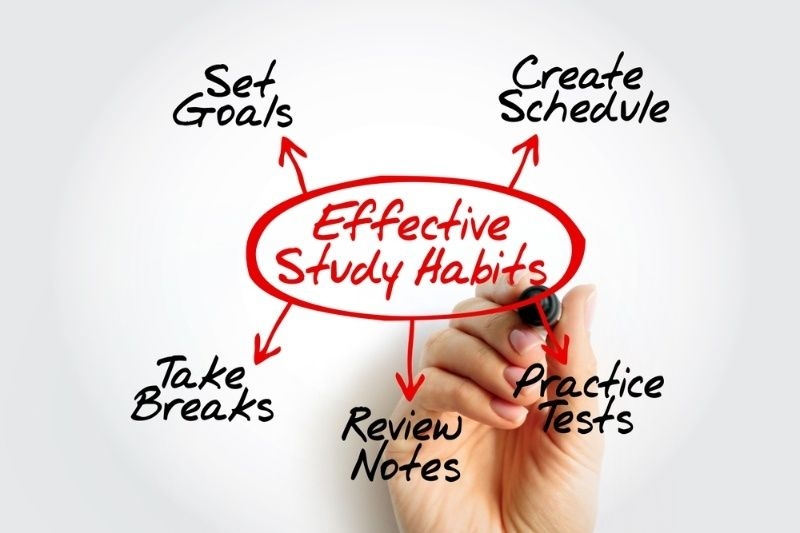
Productivity hacks only work if you actually use them. Forget trying twelve strategies all at once—just focus on a couple of habits that genuinely help you concentrate and make studying feel lighter.
Messy desks encourage distractions. Clean up your space and keep only what you need nearby. A tidy spot helps your brain stay calm and focused—plus, you’ll probably end up studying longer and better.
Trying to keep everything in your head? That’s almost always a recipe for forgotten deadlines and mix-ups. Write things down—get yourself a planner or use an app. Keep track of your assignments, exam dates, and your daily schedule. It’ll clear your mind, ease your stress, and help you stay on top of things.
Suggested Reading: AI Exam Preparation Changes How Students Revise and Practice
Exams crank up the pressure and shrink your free time, so you need to work smarter. Just putting in marathon study sessions isn’t enough. Good planning and strong study habits do way more for you.
Not all subjects are equal. Figure out where you struggle or which topics matter most, and focus your energy there. Don’t waste hours revising what you already know inside out. This helps boost your grades and keeps you from burning out.
Just rereading notes won’t cut it. Try solving questions with real-time limits. It’ll sharpen your speed and accuracy, and you’ll feel less jittery when the actual exam day comes around. The more you practice this way, the more confident you’ll feel.
Managing your time isn’t only about getting stuff done—it’s about keeping your balance. Skip sleep and ignore breaks, and none of your strategies will stick.
Skipping sleep to study late does way more harm than good. Good sleep makes your brain work better—your memory, focus, and general mood all improve. Keep a steady sleep schedule, and you’ll work smarter all day long.
Packing your day with a hundred tasks is a recipe for stress and unfinished work. Plan just a handful—stuff you can actually finish. Doing less but finishing everything builds your confidence, and you won’t feel crushed.
Top Pick: How Different Learning Styles Can Impact Study Success
Managing time as a student isn’t about being flawless or sticking to strict schedules. It’s all about paying attention, making tiny changes, and rolling with the hits when things unravel. Messy days happen. Plans go sideways. So what? Just get back on track and don’t obsess. Keep your systems simple, stay realistic, and aim for consistency, not perfection. Little changes stack up over time. You’ll start feeling less rushed and more collected—and honestly, a lot calmer.
There’s no magic schedule that works for everyone. Some people are morning people; others prefer burning the midnight oil. What matters most is sticking to your routine—pick a slot and show up every day, even if it’s only for a little while.
Depends on the person. Quality beats quantity every time. Two to four focused hours can be plenty if you’re really paying attention. Long, distracted sessions mean way less.
Start tiny. Chop tasks into small, easy steps. Clear out distractions before you begin. Don’t wait around for motivation—just take action. Most times, that’s what gets motivation going.
You don’t need to follow a strict plan, but reviewing daily helps you remember more later. Even a quick revision keeps things fresh. Skip too many days, though, and it gets tough to catch up.
This content was created by AI